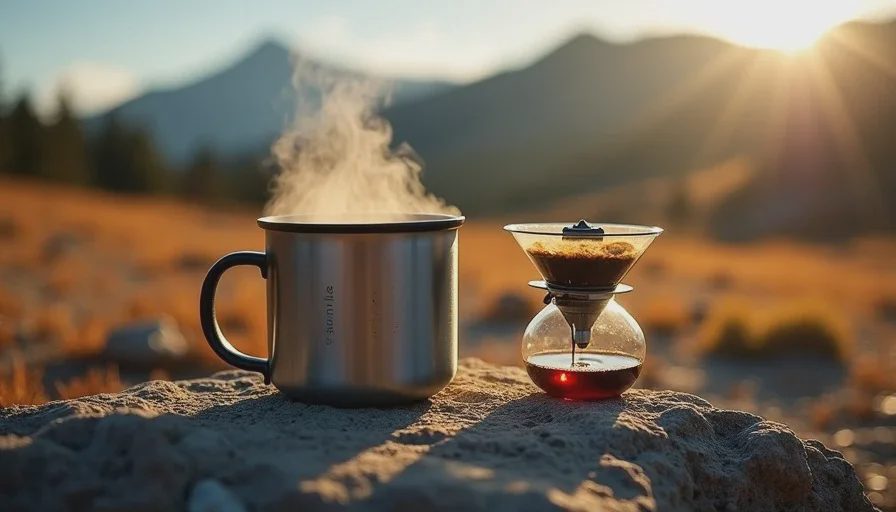
Somewhere around year three of backpacking, I stopped pretending I could start a day on trail without coffee and started figuring out how to carry it well. This is not a review of borrowed gear or a kit assembled from a brand list. This is the backpacking coffee setup I actually use, refined over a lot of mornings above treeline, weighed down to the gram, and tested hard enough that I trust it in weather. I roast my own beans in small batches at home in Boulder, which means I care about freshness more than convenience. The kit below is what survives that tension.
Why I Carry Beans at All
Carrying coffee is a luxury, and I do not argue otherwise. It adds weight, takes time in the morning, and asks for patience when the wind is up. I carry it anyway, because a good first cup of the day changes the texture of a long day. It is the difference between waking up on trail and waking up somewhere. The ritual matters as much as the caffeine, and the ritual is the part worth protecting.
The Roasting Side of It
I roast small batches of green beans at home — eight ounces at a time, once a week, in a drum roaster I bought secondhand and have repaired twice. On trail I bring beans that are seven to ten days off the roast, which is the sweet spot before they flatten. I look for beans that brew well and forgive sloppy technique, because at altitude your technique is never quite what it is at home. For the mountains I keep a single blend: a washed Central American base with a little darker roast for body. Nothing fancy, nothing named after a summit.
What I Bring and What It Weighs
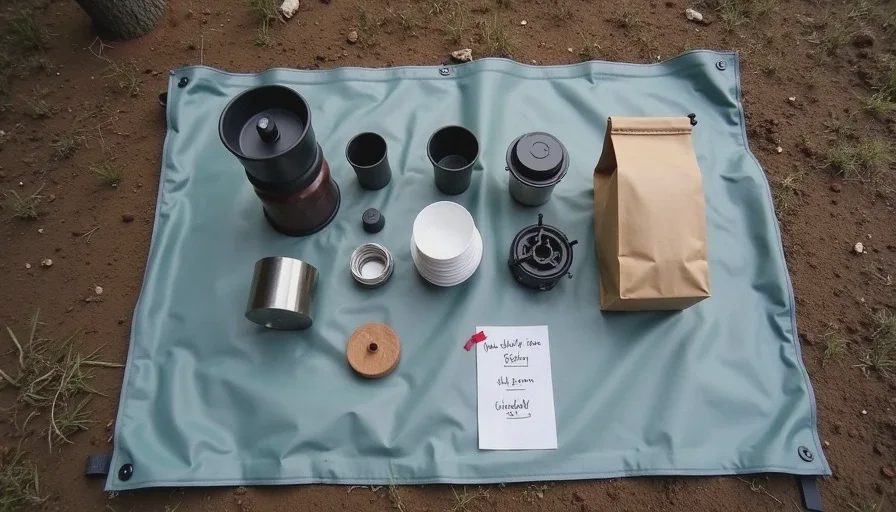
The whole system, packed and ready:
Item | Weight | Note |
|---|---|---|
Hand grinder, steel burrs | 215 g | The heavy item. Worth every gram. |
Plastic pour-over dripper | 48 g | The cheap one. Three seasons, no cracks. |
Paper filters, pre-counted | 24 g | Twenty filters in a zipper bag. |
Titanium mug, 450 ml | 96 g | Doubles as the pot for heating water. |
Canister stove, small | 59 g | Simmer control matters more than speed. |
Whole beans, three mornings | 60 g | Pre-weighed at home, in a tiny bag. |
Total | 502 g | About the weight of one camp pillow I no longer carry. |
That total does not include fuel, which nests inside the mug on shorter trips. Five hundred grams is real weight, and I have earned it by cutting elsewhere — no camp pillow, no paperback, a lighter tarp system. Trade-offs are the honest part of any kit, and this is the trade I am willing to make every trip. If you are building your own backpacking coffee setup, weigh everything and write the numbers down — the total will surprise you, and the list keeps you honest.
How Brewing Works at 12,000 Feet
Here is the part that surprises people: altitude does not ruin pour-over coffee, it mostly helps it. Water boils at about 190 degrees Fahrenheit at 12,000 feet instead of 212 at sea level, which happens to sit right in the range where I brew at home anyway. The mountain does the cooling for you. The hard part is not the temperature. The hard part is the wind, the stove, and your patience when your hands are cold. Every element of this backpacking coffee setup has a job, and the job list is short enough to keep straight at dawn.
Water That Boils Early
The practical problem is that water boils sooner than you expect, and it looks calm while it does it. At sea level you wait for a rolling boil; at 12,000 feet, that rolling boil shows up with steam that can read as not ready. I learned to stop trusting the look of the water and start trusting a timer and the sound. Two quiet minutes after the first full boil, and the water is where I want it. Wait much longer and you are boiling the flavor out of a good bean, and the whole point of carrying a grinder disappears.
The Morning Routine
The routine, such as it is:
Wake, sit up, reach for the stove without leaving the sleeping bag.
Boil the water while the light comes up over the ridge.
Grind the beans into the mug, seat the dripper, wet the filter with a splash.
Pour in slow circles, small and even. Two minutes, three pours, no rushing.
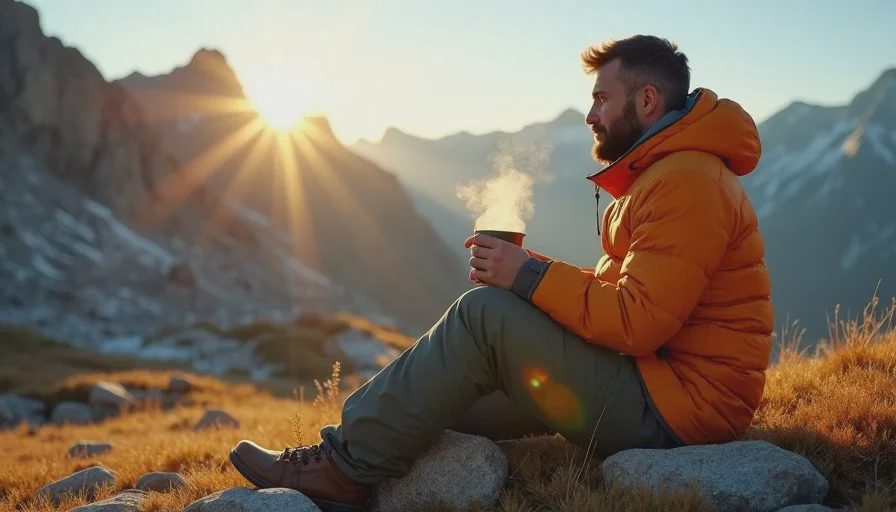
Set the mug between my knees, cupped in both hands, and sit with it until it cools to drinking temperature.
That last part is the real reason I carry the kit. Ten quiet minutes with a warm mug and no agenda, watching the day arrive — that is the moment the whole weight is worth it. One steady step, and the day opens.
What I Leave Home, and Why
I have tested the alternatives, and each one lost for a concrete reason:
A French press: the coffee is fine, but the extra weight, the cleaning water, and the fiddly plunger in the wind lost me more mornings than it won.
A percolator: it over-boils at altitude, scorches the grounds, and spits hot coffee like a small argument nobody needs at 6 a.m.
A bigger grinder: no. The 215-gram hand grinder is already the heaviest luxury I carry, and it has never failed me.
Instant coffee: it works, and I respect it as a tool. I keep a bag in my emergency kit. It is a backup, not a replacement.
Cleanup is two actions. The grounds get buried away from water. The filter rides out in my trash bag, and the mug gets a splash of hot water, a swirl, and a drink — no soap, no soapy streams, no trace left on the ground. On a good morning the whole sequence, from first flame to walking, fits inside forty minutes, and I am moving in the cold light with the day still half ahead of me. A backpacking coffee setup only earns its place if you will actually use it in a storm, so test yours in wind and rain before you trust it on a mountain.

No comments yet — grab the first one.