The exos 58 pack sits in a useful middle ground: roomier than a stripped-down weekend bag, but still designed around a relatively light load. That distinction matters more than the number on the label. A 58-liter pack can feel nimble when your shelter, sleep system, and food fit without forcing; it can also become a bulky way to carry things you rarely use. Before choosing the exos 58 pack, look at your actual kit, the shape of your trips, and how the suspension feels after several hours—not just how it looks on a store rack.
Osprey’s Exos line is known for a ventilated back panel and a lightweight frame. Features and details can change by model year, so check the exact version in front of you. For a hiker moving between established campsites, long water carries, and shoulder-season nights, the key question is straightforward: does this pack carry your regular load comfortably while leaving enough room for the days when food and layers add up?
What the capacity is good for
Fifty-eight liters is a practical size for many multi-day trips with conventional lightweight gear. It can accommodate a compact tent or tarp, sleeping bag, sleeping pad, cook kit, food, and extra clothing, with space left for a bear canister depending on its size and how you pack. A bulky synthetic sleeping bag or a large cold-weather sleep system takes up more room, and the remaining space can disappear quickly once several days of food are added.
The exos 58 pack is less compelling if your normal kit fits easily in a smaller pack and your trips rarely exceed a night or two. More volume invites more packing. I have seen a simple overnight load grow by several pounds because the extra space made it easy to bring another layer, a larger mug, and a few just-in-case items. That is not a defect in the pack; it is a familiar habit dressed up as flexibility.
Think about your longest ordinary trip, not the ambitious trip you might take one summer. A 58-liter bag can make sense for a week between resupply points, a shoulder-season route, or a kit that includes a bear-resistant food container. For short summer outings with a compact shelter and quilt, a smaller model may carry closer to your back and be easier to manage on narrow, brushy trails.

Suspension and fit matter more than the spec sheet
The Exos uses a framed suspension with a ventilated back panel, a design intended to separate much of your back from the pack body. That airflow can feel welcome on a warm climb. In return, the frame and suspended panel can create a curved space between the load and your back. Some hikers appreciate the ventilation; others prefer a closer-fitting pack, especially when moving through tight terrain or carrying an awkward load.
Fit the exos 58 pack with weight inside, not empty. Ask the shop to add roughly 20 to 25 pounds if possible, then walk, step up, and lean forward. The hipbelt should sit securely around the top of your hip bones, with most of the load supported there rather than hanging from your shoulders. Shoulder straps should follow your body without pinching. If the pack’s torso length is adjustable on the version you are trying, set it before judging the harness. Sizing options and adjustment details differ across model years and versions.
Pay attention to pressure after ten minutes, not only the first few steps. A hot spot near the collarbone or a belt that slips when you climb can become a long, quiet irritation by afternoon. Bring the layers you actually hike in, since a bulky jacket changes how straps sit. If the fit remains uncertain, try another size or compare a closer-fitting model before buying.
Loading it for a real day
Pack the exos 58 pack with dense items—food, water, and cook gear—close to your back and centered between your shoulders and hips. Put soft items such as a sleeping bag toward the bottom, and keep rain gear, insulation, and snacks somewhere reachable without unpacking the whole bag. Avoid leaving hard objects against the back panel; a stove corner or food container can become noticeable after hours of walking.
Use the external pockets for things you need during the day, not as a second storage room. A water bottle should be reachable if that is how you drink, and a wet rain shell can ride outside only if it is secured and conditions allow. Before a trip, walk around the block or take a short local hike with your planned load. Adjusting shoulder straps, belt tension, and load lifters at home is easier than doing it in wind beside a trail junction.
The pack’s lighter construction also rewards reasonable care. Do not drag it across rock, force a full load into a snag, or treat mesh pockets as handles. Check seams, buckles, and the hipbelt before a long trip. Small repairs are easier at home than on a wet evening when a buckle has begun to split.
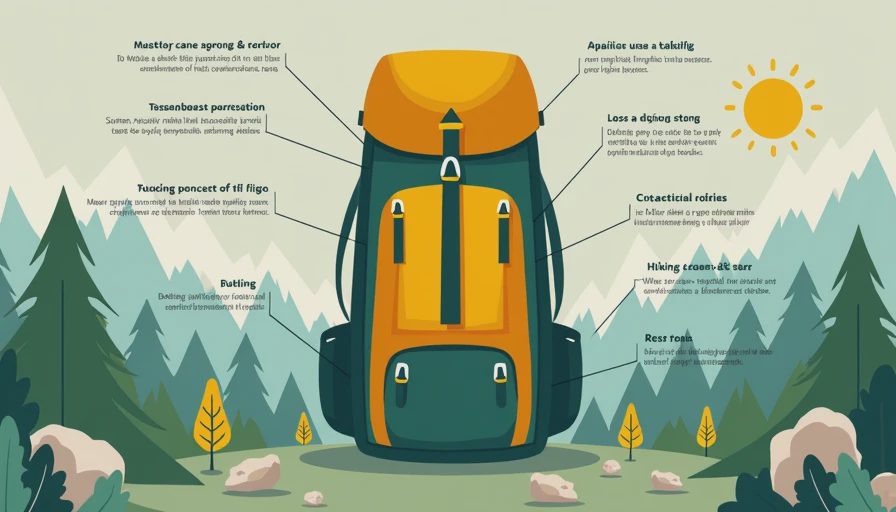
Where it fits in a gear decision
The exos 58 pack makes the most sense for a hiker who values ventilation and wants one bag with enough room for varied multi-day loads. It may be less suitable for someone who regularly carries a heavy load, prefers a snug, stable feel, or wants a minimal pack for compact summer gear. Carry comfort depends on the combination of your body, the pack size, and the weight and shape of your equipment; capacity alone cannot answer that question.
Compare it with a smaller pack using the same gear. If the smaller bag forces you to strap a sleeping pad outside or leaves no space for food, the extra capacity has a real job. If you still have unused room after packing a normal trip, that volume may encourage unnecessary weight. Also compare the exact current model with the previous version if shopping used: harness adjustments, included components, and listed weight can vary, so do not assume two bags with the same name are identical.
A simple pre-trip check
Before committing to the exos 58 pack for a remote route, run through a short test. First, load the food and water you expect to carry at the beginning of the trip. Second, confirm that your shelter and sleep system fit without crushing insulation or blocking access to essentials. Third, walk for at least half an hour on uneven ground, then check for belt slip, shoulder pressure, and rubbing. Finally, take the pack off and set it down as you would at camp; make sure the items you need most are not buried beneath everything else.
That last step is easy to overlook. At the end of a long day, simple access matters: rain protection before a squall, a warm layer when you stop, and food before your hands get cold. If the loaded pack feels balanced and the layout works without constant rearranging, you have learned more than a product page can tell you. Choose the bag that supports the miles you actually walk, then leave room in the decision for your own shoulders to have the final word. One steady step.



No comments yet — grab the first one.