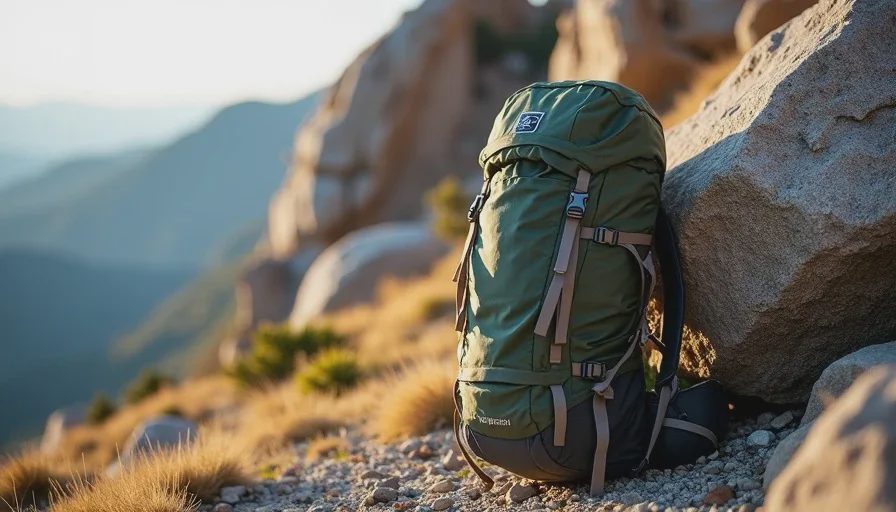
When I ordered the Gossamer Gear Mariposa in the spring of 2023, I gave it a 50-50 chance of lasting the season. I was coming off a heavier internal-frame pack that I trusted, and the Mariposa — with its carbon fiber stays, Dyneema-reinforced hipbelt pockets, and frameless feel under 20 pounds — struck me as a compromise I might regret. Three years and roughly 2,400 trail miles later, it is the one piece of gear that lightweight backpacking gear reviews rarely capture honestly: the equipment that surprised me by staying in my pack longer than anything else I own.
What Held Up
The Mariposa's structural integrity after three years of regular use is the part of this review I did not expect to be writing. The main body — a 100-denier high-tenacity nylon — shows surface abrasion on the bottom panel from being set on granite, but no punctures. The seams, which I expected to be the first failure point, are intact. The YKK zippers on the side pockets still run clean.
The Parts That Earned Their Keep
Component | Condition After 3 Years | Miles Logged | Notes |
|---|---|---|---|
Main body fabric | Light surface abrasion, no holes | ~2,400 | Bottom panel shows most wear |
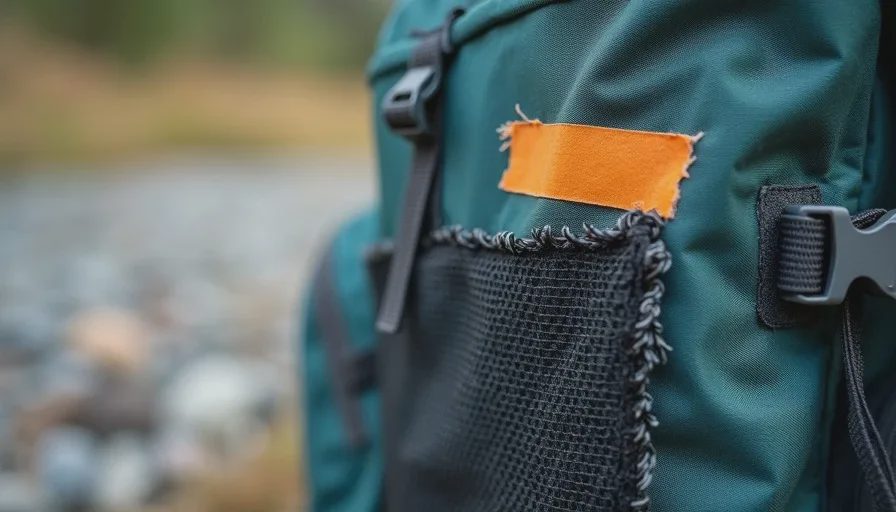
Side mesh pockets | One small tear (repaired with tape) | ~2,400 | Mesh is the weakest point |
Hipbelt pockets | Intact, zippers functional | ~2,400 | Dyneema reinforcement holding |
Carbon fiber stays | Intact, no flex loss | ~2,400 | Removable, used on ~80% of trips |
Top lid/closure | Roll-top shows creasing but seals | ~2,400 | No failure, cosmetically tired |
Shoulder straps | Foam compressed ~20%, webbing intact | ~2,400 | Expected more compression |
The hipbelt pockets deserve specific mention because they are the feature I was most skeptical about and the one that has held up with the least visible wear. I carry a phone, a snack bag, and a compact camera in them on every trip, and the Dyneema-reinforced fabric has not stretched or thinned at the stress points.
What Wore
No gear survives three years without cost, and honesty in lightweight backpacking gear reviews means naming the failures alongside the successes. The Mariposa has two components that aged faster than I expected, and one that aged exactly as I expected.
The Mesh and the Foam
The side mesh pockets are the pack's weak point. I tore a thumb-sized hole in the right pocket during a bushwhack off-trail in the Gore Range when a dead branch caught the mesh as I sidestepped a downed tree. The tear was clean and repairable — I patched it with Tenacious Tape, and the repair has held for 18 months — but the mesh has thinned visibly across both pockets and will likely need replacement before the main body does.
The shoulder strap foam has compressed by roughly 20 percent. This is not a defect — it is the expected aging curve of closed-cell foam under repeated load — but it means the straps feel less plush than they did in year one. The functional impact is minor because I keep my base weight under 15 pounds, but a heavier load would notice the difference.
Mesh pockets: Thinning across both, one repaired tear, will need replacement
Shoulder strap foam: ~20% compression, functional but less comfortable above 22 lb total weight
Bottom panel abrasion: Cosmetic, no structural concern, but I added a piece of repair tape as a sacrificial layer
Roll-top closure: Creasing at the fold line, still waterproof, cosmetically tired
One steady step. That is what long-term gear testing actually looks like — not a single trip with a fresh product, but three seasons of rain, dust, granite, and neglect, followed by an honest accounting of what survived and what did not.
What Surprised Me
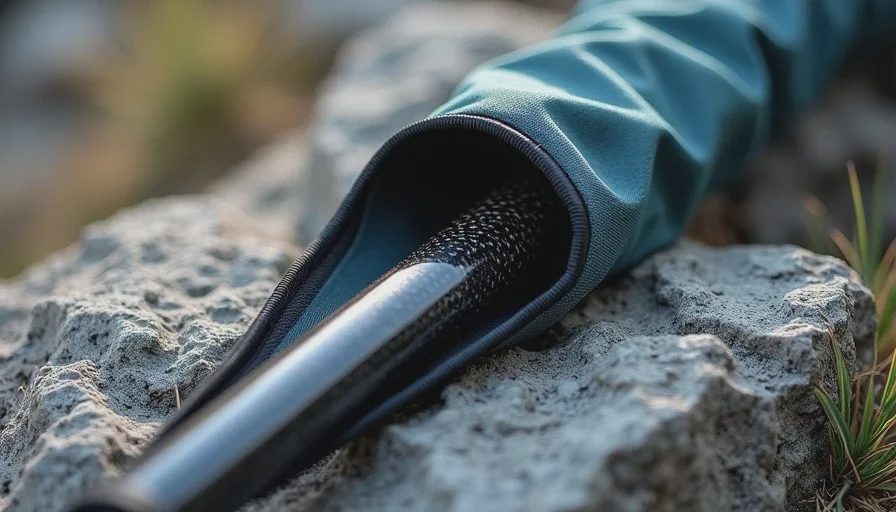
The surprise is not that something wore — something always wears — but that the thing I expected to fail first did not. I was certain the carbon fiber stays would crack or lose their shape within two years. They have not. I remove them for off-trail travel where I want maximum flexibility, and I reinsert them for maintained-trail miles where the load transfer to the hipbelt matters. After three years of repeated removal and insertion, the stay sleeves show no signs of fraying, and the stays themselves have retained their original curve.
The other surprise is how my relationship to the pack changed. In year one, I was careful with it — setting it down gently, avoiding granite, babying the mesh. By year two, I had stopped treating it as a fragile object and started using it as a tool. The pack did not change. My confidence in it did. That is the gear truth that only time reveals: durability is not just a property of the material. It is a relationship between the user and the object, built over hundreds of miles, tested by weather and rock and neglect, and confirmed — quietly, without ceremony — every time you pick it up and it still does what you need it to do.
Three years. 2,400 miles. One pack I did not think I would keep. I was wrong, and the trail has a way of making you pay for your wrongness — usually in blisters, sometimes in gear, occasionally in pride.

No comments yet — grab the first one.