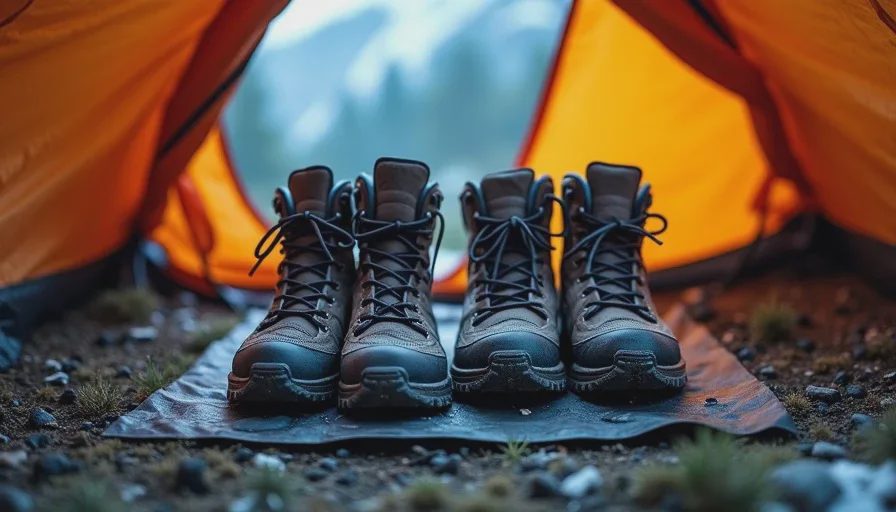
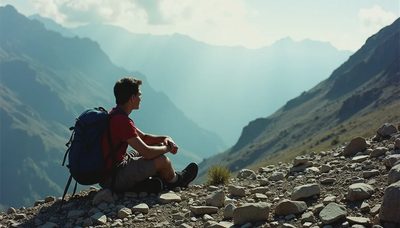
Most of what I know about decision-making on trail, I learned alone. The solo backpacking tips I keep in my field notebooks — turn-around times, weather windows, caloric thresholds, the discipline of checking in with yourself when no one else will — were built over a decade of going out by myself and coming back with lessons etched in by experience. But the hardest decision I ever made on a trail was not mine alone. It was shared, at 11,200 feet, on a cold morning in the second hour of daylight, when Thea looked at me from across a boulder field and said she was done. I wanted to continue. She wanted to descend. What I did with that moment is the subject of this article, and it has reshaped how I think about every trip since.
The Trip That Almost Wasn't
Thea is not a backpacker. She day-hikes, she car-camps, she has spent her career in environmental education, but multi-day backcountry travel is not her medium. I had been talking about the Lost Creek Wilderness loop for two seasons — three days, mild elevation, reliable water — and she agreed to join for the first two days with an exit route mapped from the second night's camp. The plan was sound. The execution is where it got complicated.
What the Morning Looked Like
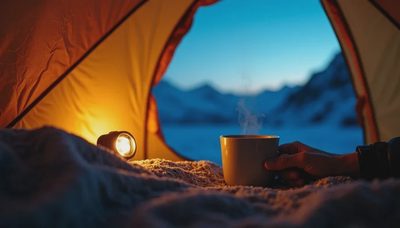
We woke at 6:00 a.m. on day two to temperatures in the low 30s and a sky that could not decide between clearing and building. The forecast had called for partly cloudy, which in Colorado backcountry means anything from bluebird to thunderstorm by noon. Thea's fingers were stiff with cold — she sleeps cold and had underpacked her bag by ten degrees — and her left knee, which she had tweaked on the descent to camp the previous afternoon, had stiffened overnight into something she described as "not right."
Temperature: 33°F at 6:00 a.m., forecast high of 52°F
Thea's knee: Tweaked on day-one descent, stiff and painful on the lateral side
Sky conditions: Indeterminate — high cirrus with lower build-up to the west
Planned route: 7.2 miles with 1,400 ft of gain to the high point of the loop, then 3.1 miles descent to the exit trail
Pack weight: My pack 21 lb, Thea's pack 27 lb (heavier than she should have been carrying)
The data was not alarming. It was ambiguous. And ambiguity is where ego lives — in the space between "we can probably do this" and "we should probably not."
The Conversation
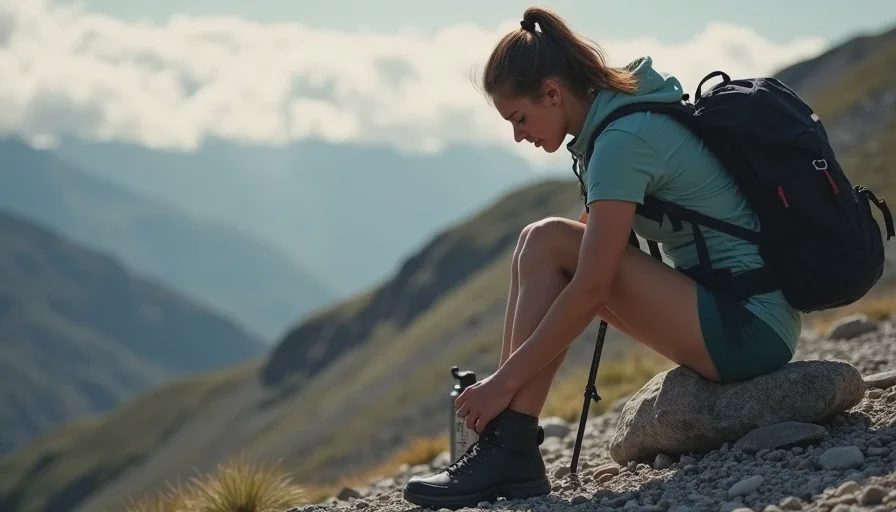
I want to be precise about what happened next because the specifics matter. I did not handle it gracefully, and I want to be honest about that.
What I Said Wrong First
My first response was logistical. I listed the options: we could shorten the day, drop the high point and take the lower traverse, or push through to the exit and cut the loop short. I was solving. Thea was not asking for solutions. She was telling me she was done, and she needed me to hear that before I started optimizing.
She said: "I don't want to figure out how to make it work. I want to go down."
I heard: "I am failing, and I need you to fix it."
What she meant was: "I have assessed my body and my comfort and my risk tolerance, and my answer is down. I need you to respect that."
It took me ninety seconds — long enough to feel embarrassing in retrospect — to stop offering alternatives and simply say: "Okay. Let's go down."
What I Learned About Ego
The urge to continue was not about the trail. It was about the plan. I had built this trip in my head as a thing we would do together, and her exit felt like a failure of the plan, which I was implicitly treating as a failure of mine. That is ego dressed up as concern. The trail does not care about your plan. The trail cares about your decision-making, and the sound decision — the one I should have arrived at without needing to be told twice — was to descend.
What I Felt | What I Said | What I Should Have Said |
|---|---|---|
Frustration at the plan changing | "We could try the lower traverse" | "Tell me what you're feeling" |
Concern for Thea's knee | "How bad is the knee, scale of 1-10?" | "What does your body tell you?" |
Desire to continue | Listing shorter alternatives | "If you're done, we're done" |
Relief (once I accepted it) | "Okay. Let's go down." | (This one was right) |
One steady step. Sometimes that step is backward, and sometimes it is down, and sometimes it is the step you take toward your partner instead of toward the pass.
What Came After
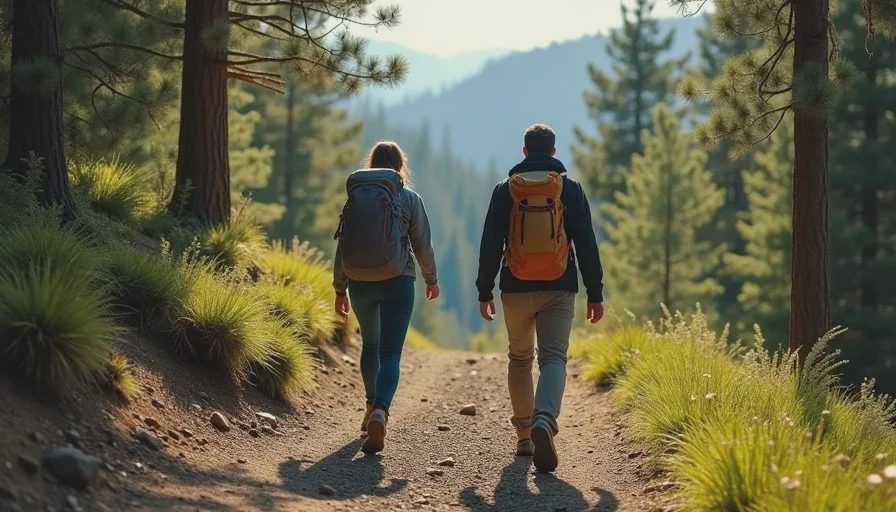
We descended. Three miles of trail, two hours of walking, one conversation that kept going after the boots came off. Thea's knee was fine — not injured, just stiff and sore, the kind of thing that resolves with rest and ibuprofen. But that was not the point. The point was that she had made a sound assessment of her body and her risk tolerance, communicated it clearly, and I had almost talked her out of it.
The rest of the trip I did solo — two more days on the loop, the high point I had wanted, the weather that held. But the experience was different. I was more attentive, more conservative, more aware that the decision to continue is never just about the route. It is about who you are when someone trusts you with their discomfort and you choose — or fail to choose — to honor it.
Solo backpacking tips will tell you to know your limits, check the weather, carry the ten essentials. They will not tell you what to do when someone you love looks at you across a boulder field and says they are done. For that, there is no gear list. There is only listening, and the willingness to walk down when every fiber of your planning brain wants to walk up.
No comments yet — grab the first one.