The first time I carried the steripen ultra above treeline, the water looked clean enough to drink straight from the creek. That is usually when I pay the closest attention. Clear water can still carry organisms that ruin the next several days, and on a remote route, there is no convenient pharmacy. I wanted a purifier that would fit into a simple system, work without pumping, and give me a clear answer before I drank.
The steripen ultra uses ultraviolet light to deactivate microorganisms rather than filtering them out. That distinction matters. It is a small electronic tool, not a conventional filter, and it rewards a little preparation. After months of weekend trips, longer sections, and cold morning fills, I have a fairly settled view of where it belongs and where it does not.
What the steripen ultra actually does
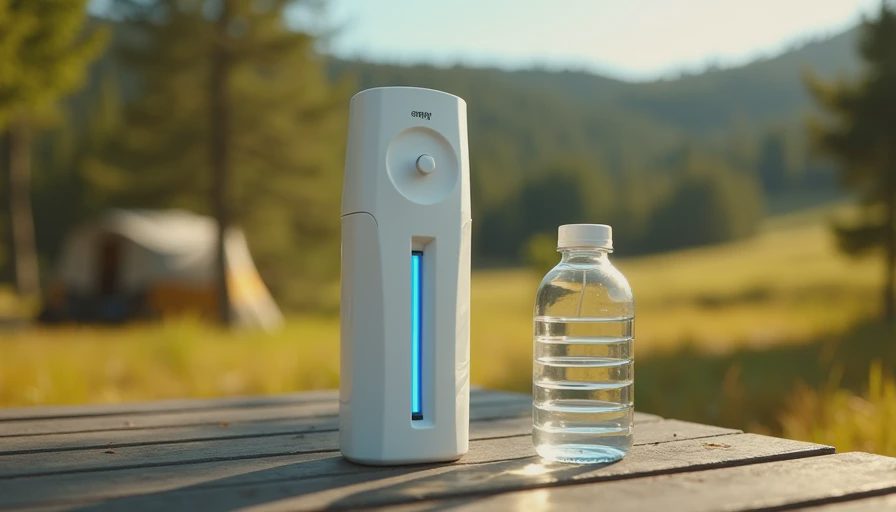
The device is designed to treat clear water in a compatible bottle or wide-mouth container. You stir the water with the lamp while the unit runs, and its display indicates when the treatment cycle is complete. The standard cycle treats roughly one liter; a smaller volume takes less time. The process is quiet, clean, and considerably less tiring than working a squeeze filter when everyone in camp is waiting for water.
Ultraviolet treatment is aimed at bacteria, viruses, and protozoa. It does not remove grit, tannins, sediment, bad taste, or chemical contamination. That means source selection still matters. If a creek is carrying a lot of glacial flour, I let the sediment settle or pour through a bandanna first. I am not trying to make questionable industrial runoff safe with a pocket gadget.
The steripen ultra also needs the water to be reasonably transparent. UV light cannot reliably reach organisms hidden behind suspended particles. In familiar mountain basins, that is usually manageable, but a swollen stream after heavy rain can change the calculation quickly.
The good parts become obvious at camp
The biggest advantage is speed with almost no mechanical effort. At the end of a long day, when my hands are cold and my patience is thinner than usual, I would rather fill a bottle and stir for a minute than squeeze several liters through a clogged filter. There is no hose to disconnect, no cartridge to backflush, and no pump handle clicking against a rock.
The steripen ultra is also easy to understand in the dark. Its display gives a direct indication of the treatment cycle, and the lamp makes the process visible. I have used it beside a tent with only a headlamp, when the temperature was dropping and I wanted water ready before getting into my quilt. That simplicity has real value when decision fatigue has set in.
Weight is competitive with many complete filter systems, especially when a filter needs a dirty-water bag and a clean reservoir. The steripen ultra itself takes little room in a hip-belt pocket or a small electronics pouch. I keep it protected from loose stove parts and trekking-pole tips; electronics do not benefit from being treated like a spoon.
Batteries, charging, and cold conditions
This is where the steripen ultra asks for more discipline than a basic squeeze filter. Depending on the version and battery condition, it uses rechargeable power, so I start every trip with a full charge and inspect the charging port. On a longer route, I carry a small power bank or have a backup purification method available. A dead electronic purifier is not a minor inconvenience when the next reliable source is several miles away.
Cold weather deserves attention. Batteries lose performance in low temperatures, so I store the unit inside my jacket or sleeping bag overnight rather than leaving it in an outside pocket. That habit is simple and costs nothing. If the device has been sitting in freezing conditions, I warm it before expecting a normal treatment cycle.
The steripen ultra is not my only line of defense on a serious trip. A few chlorine dioxide tablets weigh very little and provide insurance if the battery fails, the lamp is damaged, or water becomes too cloudy. Tablets take longer, and their taste is less pleasant, but redundancy is useful when the route is remote.
Where it fits better than a filter
I like the steripen ultra most on routes with frequent clear water and several people sharing treatment duties. It works well for a hiker who already carries wide-mouth bottles, a soft prefilter, and a small backup. It is especially pleasant on high routes where every ounce and every minute of camp work has been considered, but it is not dependent on ultralight enthusiasm. It simply removes one repetitive task.
A filter remains the better choice when water is consistently silty, when you need to remove visible particles, or when electronics are likely to be abused. A gravity filter is also more convenient for a large group that wants several gallons treated while cooking. The steripen ultra handles one container at a time, and that rhythm can become tedious for four people filling multiple reservoirs.
For solo trips, I usually treat directly in a one-liter bottle. For two people, I rotate clean bottles while the other person sets up the shelter. That small division of labor keeps the process from becoming another camp chore. The tool is at its best when it is part of a routine rather than the entire water plan.
My field routine and small lessons
Before leaving camp, I check the charge, inspect the lamp cover, and confirm that the cap is secure. At the source, I choose the clearest flow available and fill slowly to avoid stirring sediment. If the water is cloudy, I wait, decant, or use a cloth prefilter. Then I place the steripen ultra in the bottle, activate the appropriate cycle, and keep the lamp moving as instructed.
I do not wave the lamp around casually or assume that a partial cycle counts. The treatment has to finish. I also avoid touching the lamp to abrasive rock, and I rinse the bottle when grit is present. Once finished, I give the cap and exterior a quick wipe before packing it away.
A device like this changes the sound of a water stop. There is no repeated squeeze and no suction pulling through a stubborn cartridge. Instead, there is a quiet minute beside the creek: water moving over stones, the display glowing in my hand, and the familiar calculation of how much I need before the next rise. That is not dramatic gear experience. It is simply less friction.
Is the steripen ultra worth carrying?
For my own trips, the steripen ultra earns a place when sources are clear, the route is long enough for camp efficiency to matter, and I am willing to manage charging carefully. I would not carry it alone into a dry, silty landscape or on a trip where I could not protect it from freezing temperatures and impacts. The right question is not whether UV purification is superior in every situation. It is whether this particular tool matches the water, weather, and habits of the trip.
If you already own a reliable filter, there is no need to replace it simply because a newer device looks tidy in a gear catalog. But if pumping has become the chore you dread at every creek, the steripen ultra offers a credible alternative. Pair it with a simple prefilter and chlorine dioxide backup, and the system becomes much more resilient.
I still pause at every water source. I still look upstream, notice the color, and think about what the weather has done since morning. Technology does not remove that responsibility. It just makes the next step quieter. One steady step.



No comments yet — grab the first one.