On a warm afternoon above treeline, clean water becomes less an abstract concern than a quiet calculation: how much remains, how far to the next source, and whether the clear pool is actually safe. I have used many water purifying techniques over thousands of miles, and the reliable ones are not complicated. They match the source, the weather, and the consequences of getting sick far from a road.
The goal is not to make every bottle taste perfect. It is to reduce the chance of swallowing bacteria, protozoa, or viruses while carrying as little equipment as practical. No method is universal. A fast-flowing spring, a silty cattle pond, and a questionable creek each ask for a slightly different response.
The main water treatment methods
The most common water purifying techniques for backpacking are filtration, chemical treatment, ultraviolet light, and boiling. Each has a place.
A squeeze filter, such as the Sawyer Squeeze or Platypus QuickDraw, physically removes many bacteria and protozoa. These filters are quick, familiar, and efficient when the water is reasonably clear. A typical backpacking filter weighs a few ounces and can treat hundreds or thousands of liters when maintained properly. Its weakness is viruses, which many compact filters do not remove, and freezing temperatures, which can damage the filter element without visible evidence.
Chemical drops or tablets based on chlorine dioxide are lighter and easier to carry as a backup. Products such as Aquatabs and Potable Aqua Chlorine Dioxide work through contact time. Cold or cloudy water takes longer, and the faint taste is noticeable to some hikers. Chemical treatment is useful when a filter clogs, breaks, or becomes impossible to pump in a narrow canyon.
Boiling is dependable when fuel is available. Bring water to a rolling boil, then let it cool in a covered container. At elevation, do not rely on a brief simmer; sustained boiling gives you a clearer margin. It costs stove fuel and time, but it remains a strong answer for uncertain sources.
Ultraviolet devices, including the SteriPEN Classic, can be convenient in clear water. They do not remove sediment, and batteries introduce another failure point. I treat UV as a deliberate system, not a magic wand.
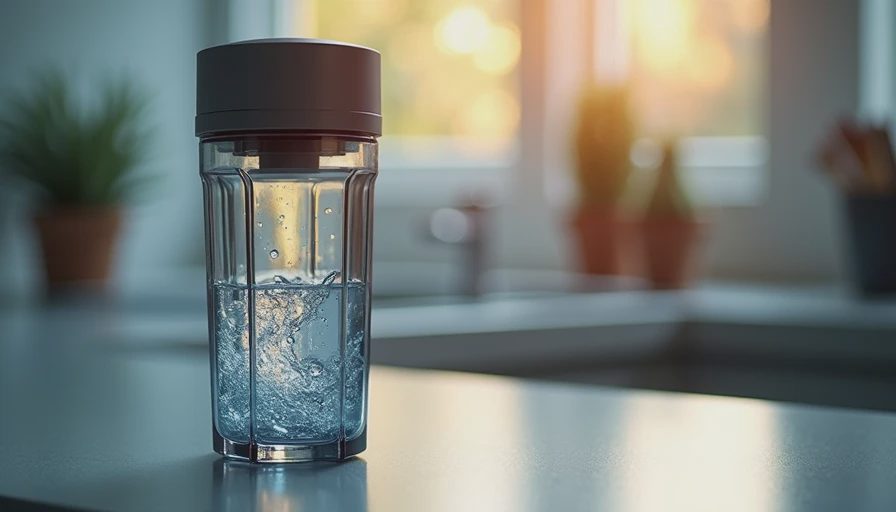
How I choose a method at the source
Before reaching for a filter, I study the water. Clear water is not automatically safe, but clarity tells me whether a filter or UV device will work efficiently. I look upstream for camps, livestock, dead animals, and drainage from heavily used areas. A small source with no visible contamination is still treated; the inspection simply helps choose the right tool.
For a normal mountain creek, my first choice is a squeeze filter. I fill a dirty-water bag, keep the clean bottle opening away from the source, and filter directly into the bottle. I avoid placing the clean end of the hose on mud or rock. That small habit prevents recontamination after treatment.
For cloudy water, I let sediment settle briefly or prefilter it through a bandana before using a chemical product. Cloth will not make water safe, but it can remove leaves, grit, and fine debris that slow treatment. If the water has an oily sheen, unusual smell, or obvious contamination, I look for another source rather than trying to rescue it with equipment.
When traveling with a partner, redundancy matters more than shaving another ounce. One person can carry a filter while the other carries chlorine dioxide tablets. That arrangement has saved long days for me when a gasket failed or a filter began flowing at a frustrating trickle. Good water purifying techniques include a backup because the trail rarely breaks equipment at a convenient moment.
A simple field procedure
My routine is plain enough to follow when tired. First, I collect from moving water whenever possible, drawing from below the surface and away from the silty edge. Second, I separate dirty and clean containers. Third, I treat every drop according to the method's instructions rather than guessing from taste or appearance.
With a squeeze filter, I backflush it when flow slows, using clean water if the design requires it. I protect the filter from freezing overnight by placing it inside my sleeping bag or insulated clothing. A frozen filter is not something I trust merely because its casing looks intact.
With chlorine dioxide, I measure the dose carefully and wait the full contact period. I do not pour treated water into a bottle that still contains untreated residue around the threads. For boiling, I account for fuel before committing to a remote dry camp. These details are unglamorous, but most mistakes happen during rushed transitions, not dramatic river crossings.
Water purifying techniques work best when they are built into camp rhythm. I treat water before cooking, refill before breaking camp, and mark the next reliable source on my map. That removes a surprising amount of decision fatigue by late afternoon.
Common mistakes that cause trouble
The first mistake is treating only water intended for drinking. Water used for brushing teeth, mixing drink powder, or rinsing a dirty spoon can still reach your mouth. I use treated water for all of those tasks when the source is questionable.
The second is trusting a familiar trail. A spring that was clean last summer can change after heavy rain, wildfire, construction, or increased camping pressure. Familiarity is useful route knowledge, not a guarantee of water quality.
The third is ignoring maintenance. Filters clog with mineral-rich or silty water. Threads collect grit. O-rings dry out. I carry a small repair kit appropriate to my filter and inspect it before a trip, not beside a creek in fading light. Tablets also deserve attention: check expiration dates and keep them dry.
Finally, some hikers combine methods without understanding what each does. A filter that removes protozoa is not necessarily a disinfectant for viruses. A UV pen will not clarify muddy water. The label and manufacturer instructions matter more than a confident camp conversation.
Building a dependable water system
For a typical three-season trip in the Rockies, I carry a squeeze filter, a clean bottle, a dirty-water bag, and a few chlorine dioxide tablets. That setup covers ordinary creeks, questionable small sources, and equipment failure without much weight. On trips where freezing conditions are likely, I favor chemical treatment or boiling and keep the filter at home unless I can protect it continuously.
The best water purifying techniques are the ones you will use correctly after eighteen miles, in wind, with cold fingers. A complicated system can look excellent on a gear spreadsheet and still fail when the light goes flat. Practice at home: identify clean and dirty sides, learn the backflush procedure, and time your chemical treatment. Then the real task becomes quiet and automatic.
I still pause at every source. I listen to the water, look upstream, and make the decision before fatigue argues for convenience. A few careful minutes can prevent a lost day, a dangerous dehydration problem, or an evacuation from somewhere that had no easy exit. One steady step, and one clean bottle, at a time.


No comments yet — grab the first one.