Ford River does not arrive with the drama of a famous trailhead. In Michigan’s Upper Peninsula, it is the kind of place that rewards patience more than ambition: wet ground, dark timber, changing water, and long stretches where the loudest sound is a branch moving in the wind. If you are looking for a quiet day outside, Ford River can offer the right kind of uncertainty. You do not come here to collect a summit. You come to pay attention.
The river is associated with Delta County and the broad north-central Upper Peninsula landscape, where water, forest, and old working roads shape travel. Conditions can change quickly. A route that looks simple on a map may become brushy, muddy, flooded, or difficult to reach. That is not a flaw in the place. It is the character of Ford River, and it deserves planning that leaves room for turning around.
What to Expect Along Ford River
A river visit here is less like following a polished recreational corridor and more like reading a landscape. Expect mixed forest, low areas that hold water, uneven banks, and access points that may not be marked in the way a popular park trail is marked. Depending on the season and the specific section, you may encounter quiet flatwater, faster current, fallen trees, or shorelines thick with vegetation.
That variety changes the day. In early spring, snowmelt and rain can make crossings unsafe and low roads soft. Summer brings longer daylight but also insects, dense growth, and heat trapped beneath the trees. Autumn is often the easiest season for simply seeing the shape of the land, although a wet October can turn a short walk into a slow exercise in foot placement. Winter travel is a different undertaking altogether, requiring snow judgment, insulation, and a reliable navigation plan.
I would not build a first visit around a distance goal. Start with a conservative outing and watch how the ground behaves. If the bank is collapsing under your boots or the water is moving harder than expected, the correct decision is to step back. A river is not improved by forcing a crossing.

Planning a Ford River Outing
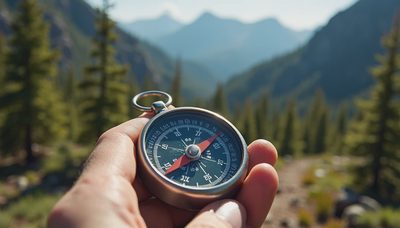
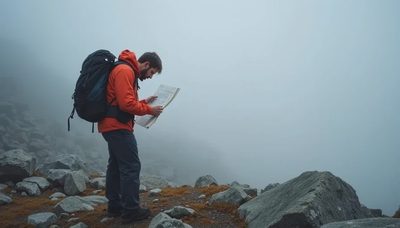
Before leaving home, identify the exact access point rather than searching only for Ford River as a general destination. Public access, private land, seasonal gates, and road conditions can differ within a short distance. Use a current map with property information where available, download the relevant area for offline use, and carry a paper backup. Cell service should be treated as uncertain once you are away from larger roads.
A small day pack is enough for a modest outing, but it should still contain the things that make a wrong turn manageable. Carry water, a water treatment method, food with a little reserve, a headlamp, rain protection, insulation, first-aid supplies, and a battery pack. Waterproof footwear helps in wet ground, but footwear alone will not solve a flooded route. Trekking poles are useful on slick banks because they provide information before your full weight commits to a step.
Tell someone where you are going and when you expect to return. Include the access road, not just the river name. “Walking near Ford River” is not useful information for a person trying to find you. A simple message with a map pin, vehicle description, and turnaround time is better.
Water, Wildlife, and Low-Key Risk
Moving water deserves more respect than its depth suggests. Cold water, slippery roots, and unstable gravel can combine into a serious problem quickly. Do not wade where you cannot see the bottom, where the current pushes toward strainers, or where a fall would pin you against branches. If a crossing requires removing your pack, unfasten the hip belt before entering the water so you can release it if you fall.
Black flies, mosquitoes, and ticks are part of the Upper Peninsula calendar. Long sleeves, repellent, and a deliberate tick check are practical rather than fussy. Look behind knees, around waistbands, and along the hairline when you return to the vehicle. Pack out food scraps and do not approach wildlife for a photograph. The quiet character of Ford River depends partly on visitors resisting the urge to make every encounter a performance.
Weather is the larger concern. A clear morning can become a wet afternoon, and a storm upstream can alter water conditions even when the sky above you looks manageable. Check the forecast for the area, not simply the nearest city. If thunder arrives, leave exposed banks and low crossings, move away from isolated trees, and wait in a safer location only if retreat is not immediately possible.

A Better Way to Read the Route
I find it useful to divide a river outing into three decisions. First, can I reach the intended access point without damaging the vehicle or trespassing? Second, is the ground safe enough for the conditions today? Third, do I still have enough daylight and energy to return without rushing? The third question is where many small problems begin. A person walks farther because the river looks inviting, then hurries back over slippery ground after sunset.
Keep the route modest until you understand it. Take notes about washed-out roads, useful pullouts, confusing junctions, and places where the bank becomes difficult. Those notes will be more valuable than a single dramatic photograph. On a later visit, you can use them to adjust the plan, bring better footwear, or choose a different section entirely.
For paddlers, the same restraint applies. Confirm whether the launch is legal and practical, inspect the water before committing, and avoid assuming that a calm surface means an easy downstream return. A small boat still needs a properly fitted personal flotation device for every person. Pack dry layers in a sealed bag and keep your phone protected rather than loose in a pocket.
What to Bring and What to Leave Behind
Bring a map, compass, charged phone, headlamp, rain shell, insect protection, water treatment, and enough food for a delayed return. Add a sit pad or small piece of closed-cell foam if you expect to stop along damp ground. It gives you a dry place to pause and costs almost nothing in pack space.
Leave behind the expectation that every natural place should provide a marked loop, a clean parking area, or a dependable signal. Ford River is better approached as a living landscape than as a checklist attraction. That mindset makes the day calmer. You notice the temperature of the air under the spruce, the line where wet ground begins, and the way water changes after rain.
The Quiet Reward of Ford River
The value of Ford River is not that it solves the need for a bigger adventure. It offers something different: a place where careful observation is enough. You can walk a short distance, eat beside the water, and return with mud on your boots without having manufactured a story about conquest.
Plan conservatively, respect access, and let conditions set the pace. If the route closes in, turn around while the choice is still easy. There will be another day, another weather window, another stretch of bank to understand. That is the real invitation of Ford River. One steady step.



No comments yet — grab the first one.