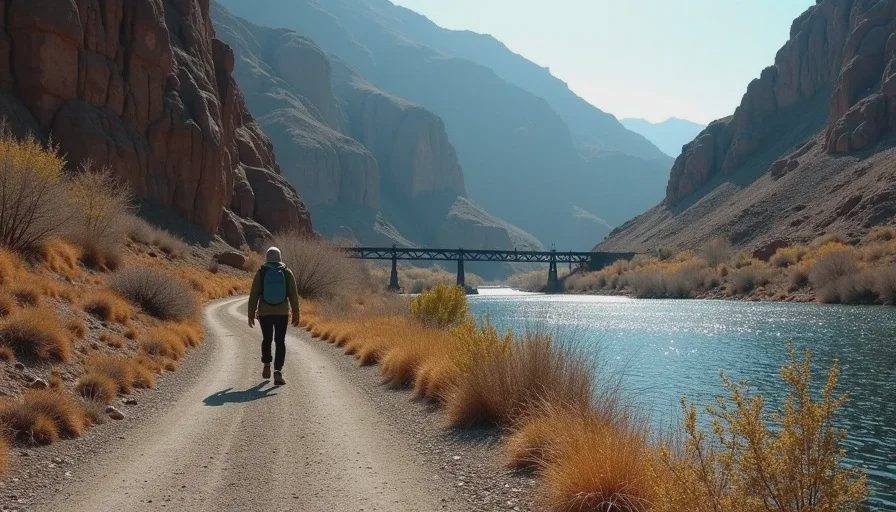
The trailhead register at Waterton Canyon had a note pinned to it, written in someone else's pencil: "No water until the South Platte." I'd walked this first leg of a Colorado Trail section hike twice before, and the note was still the most useful thing in the canyon that morning. Five days later I dropped my pack at the Kenosha Pass trailhead with a legible answer to the same note — this is how that stretch actually goes, day by day.
The Shape of This Section
If you have five days and one car, this 61-mile stretch is the most complete introduction to the Colorado Trail on the Front Range side. It starts at 5,500 feet in a canyon that still feels like the foothills and climbs through river bottom, burn scar, and dense forest to a broad shoulder above 11,000 feet, then walks down to a mountain pass on Highway 285. You get the full syllabus of Colorado terrain in a single week, and you learn the section's one hard rule early: water decides where you sleep.
The Five Days, From My Notes
I keep a small notebook in the pack lid and write down the day's numbers before I break camp. These are approximate — check the current guidebook and trail conditions before you go — but the shape of the trip doesn't change much between years:
Day | From / To | Miles | High Point | Water Note | Camp |
|---|---|---|---|---|---|
1 | Waterton Canyon to South Platte River | ~16 | ~6,700 ft | No reliable water after the canyon; carry full bottles from the trailhead | Dispersed sites near the river |
2 | South Platte to Little Scraggy TH | ~13 | ~8,600 ft | One spring in the upper basin; confirm it's running | Exposed ridge sites past the trailhead |
3 | Little Scraggy to Rolling Creek | ~15.5 | ~8,900 ft | Buffalo Creek store and creek crossing near mile 43 | Rolling Creek Campground |
4 | Rolling Creek to the high shoulder | ~11 | ~11,000 ft | Fill everything at Rolling Creek — the climb is dry | High meadow below the shoulder |
5 | Shoulder to Kenosha Pass | ~6 | Descend to 10,000 ft | Kenosha Pass trailhead | Home |
The Days, in Feeling
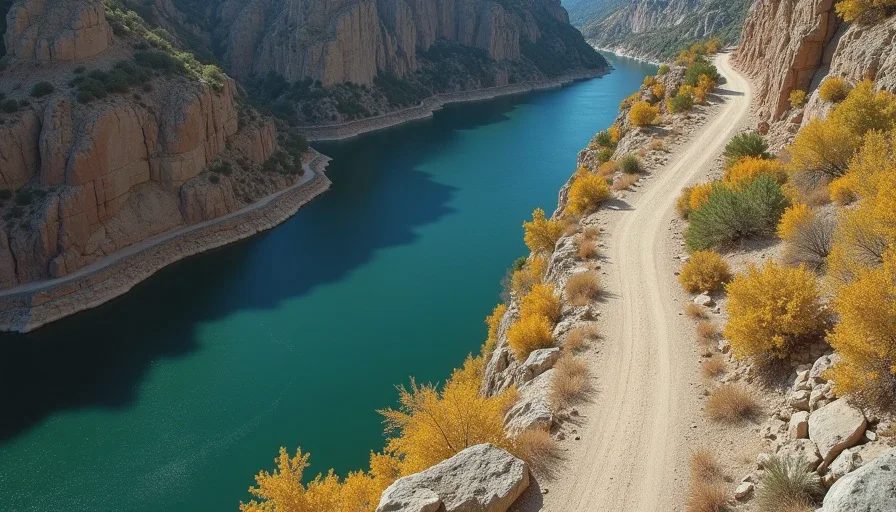
Day one is the walk-up: a long gravel canyon road beside Strontia Springs Reservoir, bighorn sheep on the far wall, then real trail once you pass the dam. Day two is the first honest climb, a steady pull out of the river bottom into open pine forest. Day three crosses the old Buffalo Creek burn scar, where the trail threads exposed hillsides of young lodgepole, and the town of Buffalo Creek appears with a general store that sells cold water and, on the day I was there, a surprisingly good slice of pie. Day four is the quietest and the one I look forward to most — the long climb to the shoulder, forest thinning to meadow, wind picking up, views opening to the north. Day five is a gift: a gentle morning descent to the pass and a hitch down the highway back to your car. One steady step at a time, the section resolves itself.
Water Is the Syllabus
The whole section is organized around water, and I pencil the same three notes onto every map I hand to a first-timer. Get these right and the miles take care of themselves; get them wrong and you'll spend a dry afternoon thinking about it.
The Long Dry Stretch
The note at the trailhead is not dramatic — it's understated. From the end of the canyon there is no reliable water for the better part of a day, until you drop to the South Platte. I carry two and a half liters through the canyon, drink on a schedule rather than by thirst, and top off at the river regardless of how much my filter weighs. In August the canyon is hot and exposed, and the last mile before the river is the one where I've seen the most tired people. Plan for it; that's the whole advice.
What the Guidebooks Don't Emphasize
Two things stand out from my trips. First, the spring on day two runs lower every August — I've seen it nearly dry in a dry year, so I plan as if it's a bonus rather than a fixture. Second, the store at Buffalo Creek keeps summer hours that don't hold in a wet schedule; treat it as a pleasant surprise, not a water plan. And the climb on day four has no water at all — you tank up at Rolling Creek and carry what the ridge demands. That's the stretch where a Colorado Trail section hike in August teaches you its manners, and the ridge repays the extra liter with a camp above everything.
Campsites, Terrain, and the Burn Scar
Where I Actually Slept
The campsites on this section vary more than the terrain, and they set the tone for each day:
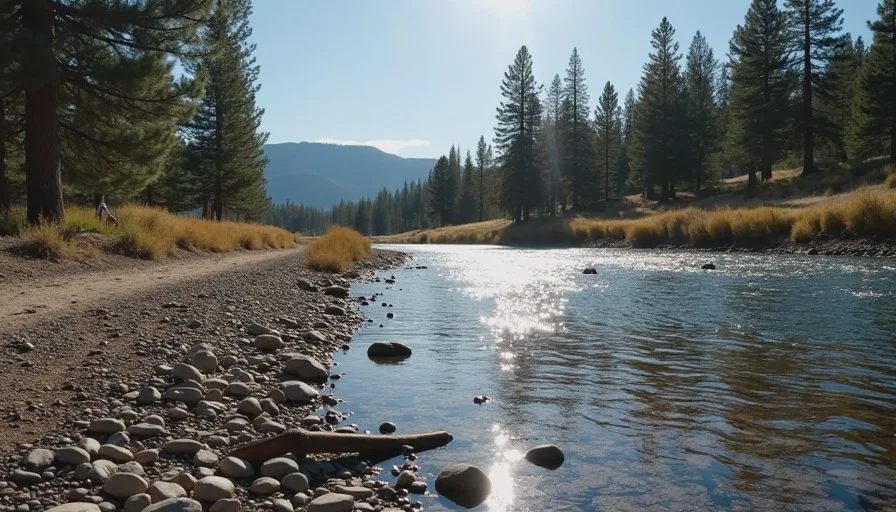
South Platte gravel bars: flat ground east of the crossing, close to water, with a wind that arrives at dusk — stake everything, even if it looks calm.
Above Little Scraggy: exposed ridge camps with long views and zero forgiveness; take extra guylines and find the sheltered lee side.
Rolling Creek Campground: a managed site with vault toilets, tables, and the creek running all night — the easiest full night's sleep of the week.
The high meadow: the reason I keep coming back to this section. Soft grass, the treeline below you, and a sky that goes on past your ability to stay awake.
The Burn Scar and What Regrows
The stretch through the Buffalo Creek burn is the section's clearest teaching moment. The fire was decades ago, and the hillsides now hold a uniform young forest — lodgepole coming back in dense stands that are easy to walk through and hard to see into. The trail holds its line across the scar, and there's something honest about walking a landscape that wears its history openly. I've seen elk bedded in the young timber more than once, and I've heard the aspens creak in the wind for a full hour of walking.
When to Go
Late August into early September is my window — in my experience it's the kindest time for a Colorado Trail section hike on the Front Range side. The spring flows are still credible, the heat has loosened its grip on the canyon, and the aspens around Kenosha are turning by the last week of September. Earlier in the summer means more water but more people and more afternoon thunder — the section's high shoulder is a place you want to be below by midday. Whatever month you pick, the daily rhythm stays the same: walk early, be off the high ground by early afternoon, and let the evening do its quiet work at camp.



No comments yet — grab the first one.