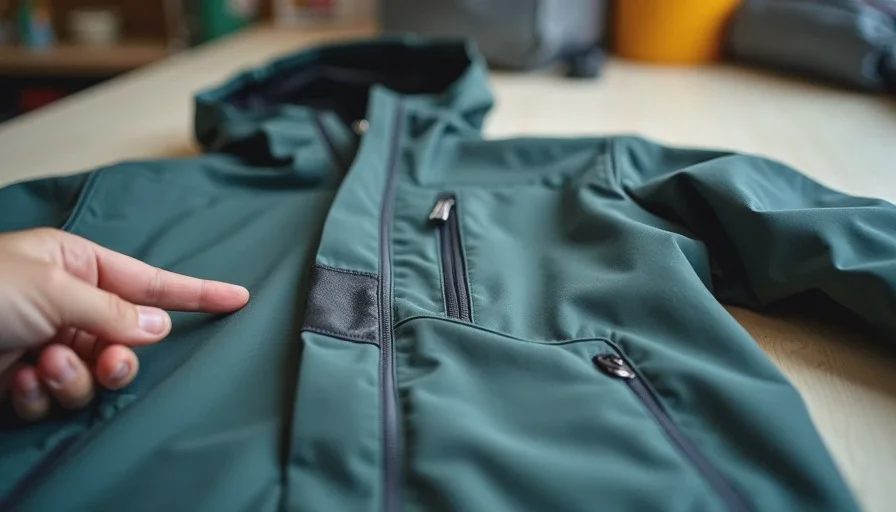
People ask me, sometimes, for a hiking gear durability long-term review — which jacket to buy, which pack holds up, what I'd carry if I were starting over. I understand the impulse. But the honest answer lives in a different kind of document, and this is one of those documents: the story of a jacket I trusted for roughly 900 miles of trail before it stopped trusting me back. It isn't a review. It's a failure report, written the week it happened, so I remember exactly what years of gear use actually looks like when it ends.
The Jacket and the Mileage
The jacket was a three-layer shell I bought in 2016, the year I gave myself the long trips I'd been postponing. It carried me through the Colorado Trail in sections, through wet stretches of the Indian Peaks, through dozens of afternoon thunderstorms on the Front Range, and through the week in the Wind Rivers when it rained for three straight days. By the time it failed, it had been washed exactly as often as I'm embarrassed to admit, packed wet more times than I'm proud of, and dried — too often — in front of camp stoves because I was cold and impatient.
What "Mile 900" Actually Means
Mileage on a shell isn't trail miles, exactly. It's the sum of everything the jacket survived:
Fourteen summers of UV at altitude, where the sun does to fabric what it does to skin
Hundreds of compressions into the same spot in a pack liner, folding along the same creases every time
Repeated abrasion against pack straps at the shoulders and rock at the elbows
Delamination beginning invisibly, somewhere around mile 600, in the fabric sandwich between the face and the membrane
The failure didn't happen at the shoulders, where I'd have expected it. It happened in the chest, in the panel under the sternum strap, where the jacket folds when you sit down. That's the detail that matters, and it's the detail a spec sheet will never tell you.
The Day It Gave Out
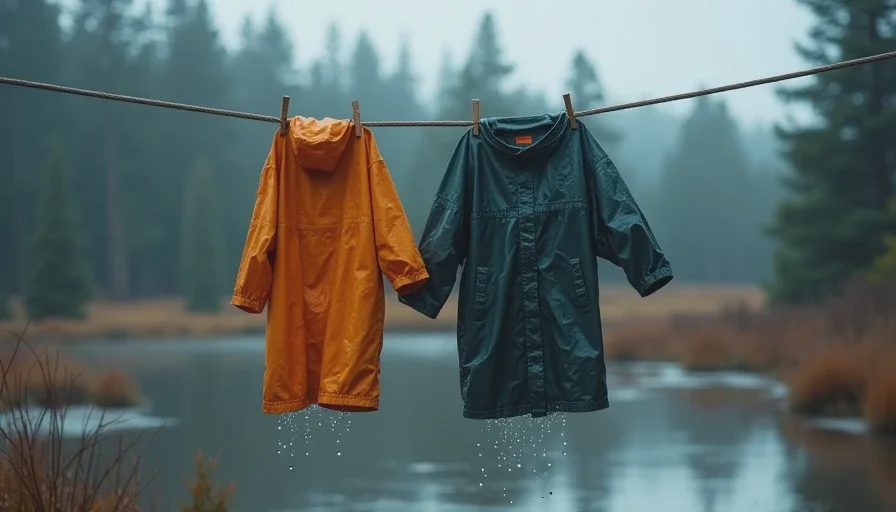
It was a Tuesday in September, on a Colorado Trail section north of Copper Mountain. Rain had moved in around noon — not dramatic, just persistent, the kind of steady gray that turns a damp morning into a wet afternoon. I'd been in the jacket for four hours when I felt the cold. Not the cold of a cold day. The cold of water meeting skin. I put a hand inside my collar and found the liner damp across my chest, in a pattern that matched the fold line of the fabric.
The Diagnosis
I checked the usual suspects first. Seams at the shoulders — dry. Zipper — sealed. Hem — doing its job. Then I found it: the face fabric at the fold line had cracked and abraded to the point where the inner membrane, once bonded, had lifted away from the face in a patch the size of my palm. Water wasn't leaking through a hole. It was moving through delaminated fabric, the way it does when the layers stop being one thing and become several things that happen to be sewn together.
Symptom | What it pointed to | My part in it |
|---|---|---|
Damp chest along the fold line | Delamination, not seam failure | Stuffing the jacket into the same liner spot for years |
Dry shoulders, dry zipper | Face fabric failed, not the hardware | Years of UV at altitude |
Cold that arrived gradually | Water migrating through fabric layers | Rarely re-proofed, packed wet too often |
Dampness matched the crease pattern | Mechanical fatigue of folding | Drying against stove heat, too close |
The diagnosis was my own fault in the only way that matters: not through any single mistake, but through a decade of small shortcuts that added up. Gear rarely fails in a dramatic moment. It fails the way most things fail — gradually, predictably, and in the places you didn't think to look.
What the Failure Taught Me
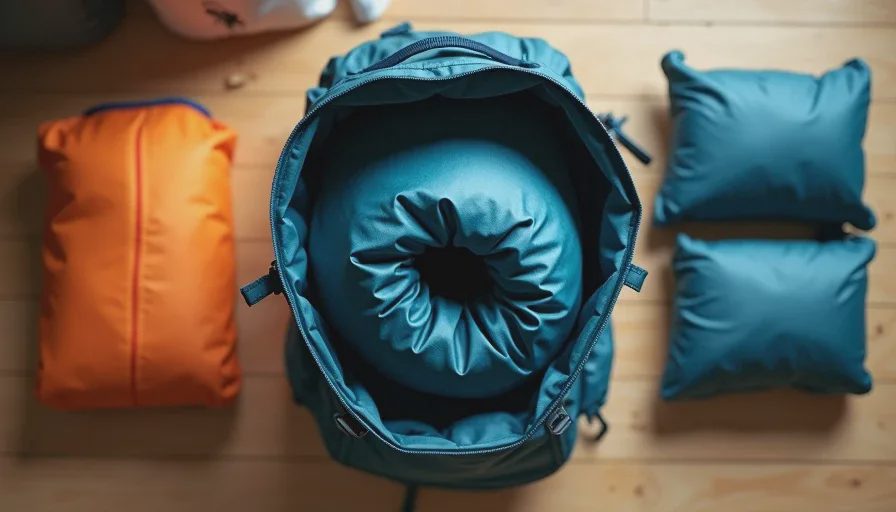
The replacement jacket lives in my closet now, and I treat it differently. Not gently — gently isn't the point — but with the respect of someone who knows what years of abuse do to laminated fabric. I wash it properly now, and I re-proof it at the start of each season. I roll it into the top of my pack instead of folding it along the same line every time. I dry it on a line in the sun instead of in front of a stove.
These aren't dramatic changes. They're the quiet maintenance that doubles a shell's life, and the only way I learned them was by watching one die. If you came to this post for a hiking gear durability long-term review, here's the takeaway buried in the failure report: the expensive part of any jacket isn't the membrane or the brand — it's the care that keeps the layers bonded to each other, and that care is invisible until it's absent.
I also added a habit that costs nothing. At the start of every trip now, I spend sixty seconds running my fingers along the fold lines of the jacket, feeling for the slick separation that means the layers are parting. It takes less time than boiling water, and it would have caught the problem on the old jacket months before it ever reached my chest.
I've replaced the jacket, but I kept the old one. It hangs in the garage now for workdays — moving firewood, hauling gravel, the jobs that would end a shell's life in a season. In a way it's still doing its job, just a humbler one. Gear that has been honest with you deserves an honest retirement. When I'm out in the new jacket and the rain comes, I think of the old one, and I remember that every piece of gear I carry is a temporary agreement, not a promise. One steady step. A jacket that does its part for as long as it can.




No comments yet — grab the first one.